
May 25, 2026
UNTIL recently, the belief that cognitive decline is an inevitable part of aging has been something to accept rather than understand or challenge. When brain changes begin small, with a forgotten appointment or a misplaced set of keys, it’s easy to brush off and move on. And often, that’s all it is; an 87-year old brain trying to keep up in a 2026 world.
However, in this 2026 world our knowledge of brain health has evolved, and as a society, we’re more open to understanding that brain change exists, is not linear and affects everyone differently. There’s also a genuine focus on pushing past stigmas associated with dementias and more readily available information and education on prevention and supports for caregivers.
According to the Alzheimer’s Society of Canada, between 10-20% of the Canadian population aged 65+ has mild cognitive impairment, and 1 in 11 Canadians aged 65+ are living with Alzheimer’s or another form of dementia. By 2030, it’s expected almost 1 million Canadians, aged 65 and older will be living with dementia.
Dementia itself is a term used to describe a group of conditions characterized by a decline in cognitive function severe enough to interfere with daily life. There are more than 100 types with the most common being Alzheimer’s disease, followed by vascular dementia, dementia with Lewy Bodies, frontotemporal dementia and mixed dementia.
Today, we’re able to recognize cognitive changes as more than just a label or diagnosis and understand that brain change is something that not only affects memory but confidence, connection, purpose and overall wellbeing. For older adults and their families, the question is no longer simply ‘what is happening?’ but ‘how do we respond in a way that supports dignity, independence, and quality of life?’
This shift in perspective is reshaping the way we think about care. Across Canada, there is a growing emphasis on approaches that meet individuals where they are, adapting to their needs while continuing to encourage purpose, engagement, independence and autonomy.
It’s within this context that programs like BLOSSOM Living have developed. A unique and industry leading initiative by All Seniors Care Living Centres, BLOSSOM Living is a person-centred approach to memory care that recognizes each resident as more than their diagnosis. Introduced in 2021, BLOSSOM stands for Better Living by Overcoming Safely and Securely the Obstacles of Memory, and it provides structure, routine and focus on improving the cognitive, emotional and social wellbeing of those who need it most. For older adults themselves and families looking for that way to support dignity, independence and quality of life, BLOSSOM Living can be the answer.
“Over the last 10 years we’ve seen many more people diagnosed with brain change and dementia becoming more prevalent within society,” says Lily Goodman, COO at All Seniors Care and the driving force behind the program.
“For us at All Seniors Care, we want to ensure that our residents can live as independently as possible for as long as possible. With BLOSSOM Living, we’re encouraging a holistic approach to wellness which goes beyond physical care and includes the emotional, spiritual, social and nutritional aspects that are so important to overall wellbeing.
“BLOSSOM Living offers purpose and connection and can truly make a difference in resident’s lives,” she adds.
Far more than another wellness initiative, participating in BLOSSOM Living often extends the time a resident can live within an independent environment, meaning a move to a dedicated memory care community can be delayed.
“We’ve seen many residents whose families believe that they’ll need memory care when they join us, but they really don’t,” says Hannah Silver, VP of Health and Wellness at All Seniors Care.
“Because of BLOSSOM Living we’re able to provide thoughtfully designed and safe environments; make sure we’re offering meaningful daily experiences and truly focus on emotional as well as cognitive well-being. All together this means a cohesive program that supports individuals living fully, wherever they are on their journey,” says Silver.
And it’s not just those with brain change that can benefit. BLOSSOM Living is inclusive and open to all residents, particularly those struggling with a sense of purpose, those who are socially withdrawn or those who experience anxiety.
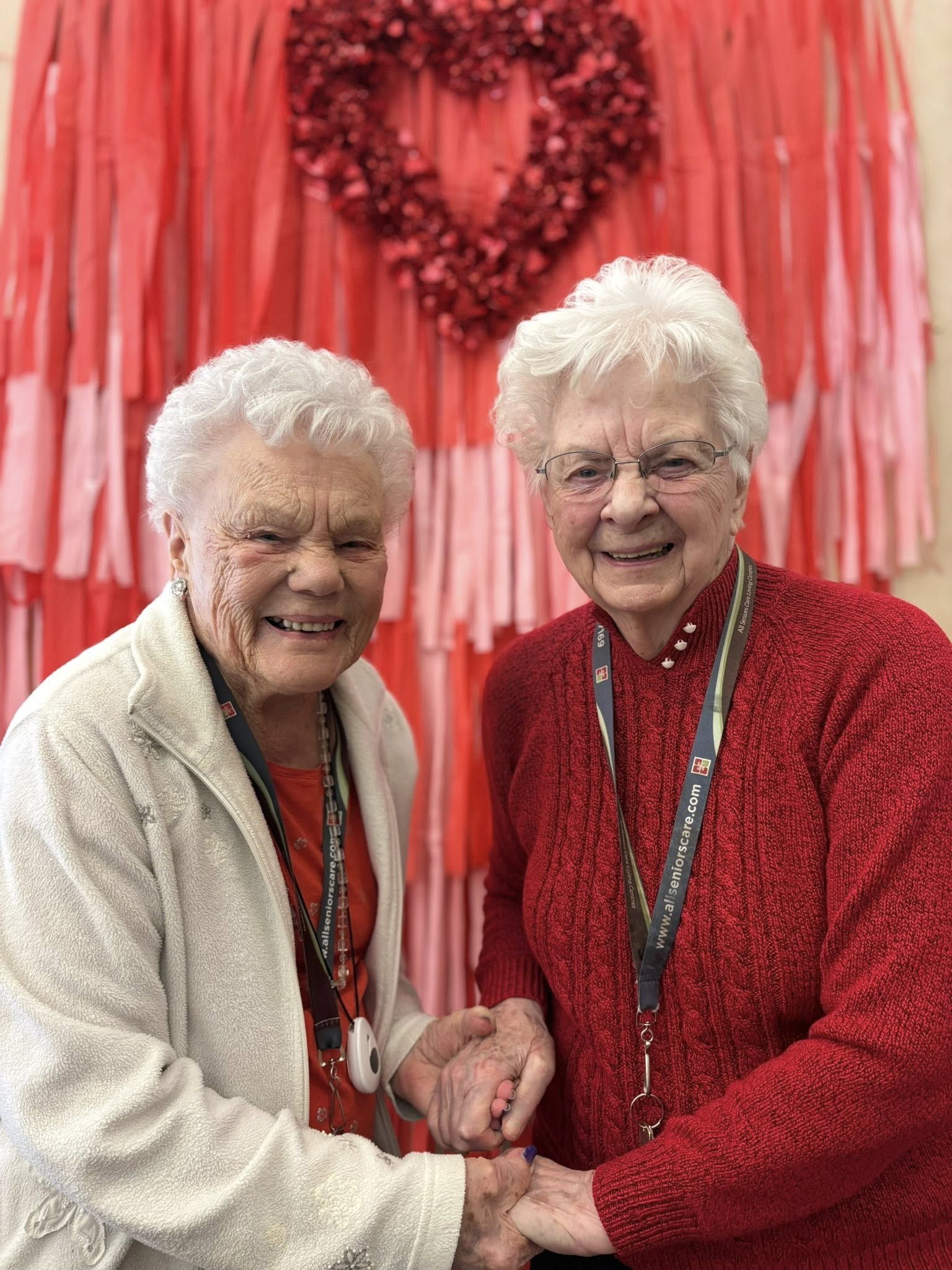
“Every day there is intentional programming, there are check-ins, there are one-on-one conversations. Every resident brings their own unique experiences and as a team we’re here to encourage, support, elevate and nurture that,” adds Silver.
Since 2021 BLOSSOM Living has been introduced to the majority of All Seniors Care residences across Canada, with more to come. For further information on the program or on any care support or service provided at ASC, contact us by booking a tour today.
You can also find more information on our BLOSSOM Living page.
Writer – Caroline Inman, Director, Residence Relations ASC

Senior Living Advice

Jun 23, 2026
Men’s Health: 6 Life-Changing Conversations Worth Having
June is Men’s Health Month, and while many healthy aging recommendations apply to everyone, there are a few conditions that…
May 25, 2026
Cognitive Change and BLOSSOM Living
UNTIL recently, the belief that cognitive decline is an inevitable part of aging has been something to accept rather than…
May 10, 2026
Tips to Help Caregivers Maintain a Healthy Balance
Caregiving can be a rewarding experience that provides a sense of fulfillment, meaning and purpose, especially when you know that…
How Can We Help You Today?
Not sure where to begin? Start with a free tour with us at one of our amazing residences across Canada that are redefining senior living.
Or keep yourself connected with our monthly newsletter featuring the latest stories and events happening.
Book A Tour
Subscribe to Newsletter