
June 23, 2026

June is Men’s Health Month, and while many healthy aging recommendations apply to everyone, there are a few conditions that affect men uniquely as they grow older.
At All Seniors Care Living Centres, we have the privilege of spending time with older adults every day. Over the years, we’ve noticed that some of the most important health conversations are often the ones men are least likely to start themselves.
Here are six worth having.
Men’s Health Conversations Worth Having
To the surprise of absolutely no one, a Cleveland Clinic survey finds that most men — and older men in particular — don’t like talking about their health. The survey found that most would rather talk with their guy friends about current events, sports, their job, their kids, their car. In other words, just about anything other than the state of their health. Let’s change that today.
1. Heart Health
Heart disease remains one of the leading health concerns for Canadian men. In fact, men are 2 times more likely than women to suffer a heart attack (Health Canada). Stress, high blood pressure, elevated cholesterol, diabetes, poor sleep, and inactivity can all increase risk, yet many symptoms are easy to dismiss as simply “getting older.”
Feeling unusually tired, becoming short of breath more easily, excessive sweating, or noticing changes in stamina are all worth discussing with a healthcare professional.
The good news is that small lifestyle changes can make a meaningful difference at any age. Regular activity, nutritious meals, quality sleep, reducing stress and routine medical checkups all play an important role in protecting men’s heart health.
2. Colorectal Cancer
Colorectal cancer is the second leading cause of cancer death in Canadian men, yet it is also one of the most preventable and treatable forms of cancer when detected early.
Many people assume they would notice symptoms if something were wrong, but early colorectal cancer often causes no symptoms at all. Or, they can also mimic other, less serious gastrointestinal conditions.
Regular screening can identify polyps before they become cancerous, while also detecting cancer at its earliest, most treatable stages. If you are over 50, or have a family history of colorectal cancer, talk to your healthcare provider about the screening options available to you.
3. Don’t Ignore Changes in Prostate Health
Most men will experience some degree of prostate enlargement as they age. While many changes are harmless, others may require medical attention.
The Canadian Cancer Society recommends that men discuss prostate cancer screening with their healthcare provider, particularly after age 50 or earlier if they have a family history or other risk factors. The average age of diagnosis is 65, but men may be diagnosed as young as their 30s and beyond their 80s.
These conversations are often simpler and less intimidating than many people expect, and early awareness remains one of the best tools for maintaining health because, detected early, it’s curable in most cases (Men’s Health Foundation).
4. Osteoporosis: Not Just a Women’s Disease

When most people think about osteoporosis, they think about women. Think again. Up to one in five men over the age of 50 will experience an osteoporotic fracture during their lifetime.
Bone loss occurs gradually and often without symptoms. For many men, the first sign is a broken wrist, hip, or vertebra after what seemed like a minor fall.
Men with a family history of osteoporosis, low testosterone, certain medical conditions, coeliac disease, long-term steroid use, smoking, or excessive alcohol consumption may be at higher risk.
Maintaining bone health through regular weight-bearing and muscle strengthening exercise, adequate calcium and vitamin D intake, and routine medical care can help reduce the risk. If you have concerns about your bone health, speak with your healthcare provider about assessment and screening.
5. Skin Cancer
Many of today’s older men grew up in an era before sunscreen was routinely used. Long days spent working outdoors, fishing, golfing, gardening, or enjoying summer activities often meant years of sun exposure with little protection.
Even today, men are less likely than women to use sunscreen, perform regular skin checks, or seek medical attention when they notice a change in their skin. Unfortunately, this translates to higher rates of skin cancer and poorer outcomes following a later diagnosis. In Canada alone, an estimated 6,200 men will be diagnosed with melanoma in 2026, and approximately 820 will die from the disease.
The good news is that skin cancer is highly treatable when caught early.
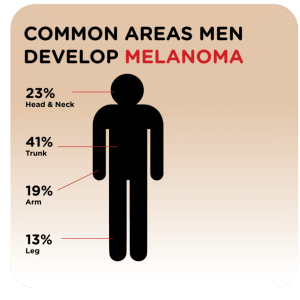
Image source: Melanoma Canada.
Pay attention to any new or changing moles, spots that change in size or colour, sores that do not heal, or areas of skin that bleed, itch, or look different from the surrounding skin. If you notice a change, don’t ignore it. Talk to your healthcare provider. A skin examination can provide peace of mind and help identify concerns before they become more serious.
It’s common for men to throw caution to the wind. But skin cancer is the result of cumulative damage, and the sun keeps rising! Wearing sunscreen, seeking shade, covering exposed skin, and making skin checks part of your routine can help reduce your risk at any age. Read our guide to enjoying the sun safely here.
6. Depression in Men
Mental health deserves the same attention as physical health.
Depression affects men differently than many people realize. Rather than appearing as sadness, it may show up as irritability, anger, fatigue, loss of interest in hobbies, difficulty concentrating, changes in sleep, or increased alcohol use. Because these symptoms are often overlooked or attributed to aging, many men go undiagnosed and untreated.
Older men may be particularly vulnerable following retirement, the loss of a spouse or friend, declining health, chronic pain, or a loss of independence. Yet many are reluctant to seek help or talk openly about how they are feeling.
The good news is that depression is treatable. Talking with a healthcare professional, reaching out to family and friends, staying physically active, and socializing regularly can all play an important role in recovery.
June is also Men’s Mental Health Month. By creating spaces where men feel seen, heard, and supported, we can help build healthier communities, and yes, save lives (Canadian Mental Health Association).
If you or someone you love is thinking about suicide, call or text 9-8-8 toll-free, anytime, or visit 988.ca.
Asking for help is not a sign of weakness. It is an important part of taking care of yourself.
The Importance of Reaching Out

One thing we’ve noticed over the years is that many men reach retirement with fewer close friendships than they had earlier in life.
For decades, friendships often happen naturally through work, coaching a sports team, volunteering, raising a family, or seeing the same people every day. Then retirement arrives, routines change, children move away, and social circles can quietly become smaller. Some experts refer to this as a “friendship recession” — a gradual loss of social connections that can leave men feeling isolated, even when they are surrounded by people. Many find themselves wondering, How did this happen?
The good news is that friendships can be rebuilt at any age. Sometimes it starts with a phone call, a standing coffee date, joining a club, or sending a quick text after getting together. Like any important relationship, friendships thrive when we intentionally make time for them.
The reality is that many men find it easier to talk side-by-side than face-to-face. Sometimes the most meaningful moments happen during a game of cards, while working on a project together, or simply sitting with a friend who understands.
At All Seniors Care, we see the benefits of those connections every day. Men who move in knowing very few people often develop strong friendships through shared interests and experiences. Bowling leagues, whiskey tastings, discussion groups, woodworking projects, card games, pool tables, and conversations over coffee become opportunities.
Speaking to the Men in Your Life about Health
Whether you’re a man yourself or reading this on behalf of a loved one, speaking about health can be as challenging as it is important. From vaccinations and blood tests to appraising the family jewels, men need to be encouraged to talk about healthcare. The types of maintenance topics to discuss with the men in your life , or yourself, are:
- How long has it been since your last check-up? Just like their car, routine maintenance appointments are necessary. Remind them that regular healthcare appointments can preserve their independence and self-sufficiency. Their care should include regular checkups, referrals to specialists as needed, and regular dental care.
- Encourage them to be candid with healthcare providers. Research shows that many male patients underplay health problems during conversations with their doctor. They might say a symptom “isn’t too bad.” They might not mention new health concerns, or report that they’ve experienced falls.
- Prompt them to have the recommended screenings. Much like checking your tire pressure, or the oil level before a long trip, older men, need regular tests of blood pressure, cholesterol, and blood sugar; screenings for prostate, colorectal cancer; and vision and hearing tests.
Remember, though, timing is everything. You do not want to spring a deep conversation on them out of nowhere. Keep things simple, and specific. Change does not happen overnight, so celebrate small steps like booking an appointment, cutting down on smoking, or walking daily. Positive reinforcement builds momentum: “I am proud you did that.”
Supporting Wellness Every Day

The conversations we’ve discussed are important, but they’re only part of the picture.
Healthy aging is about more than doctor’s appointments and healthy habits. It’s about having a reason to get up in the morning, people to share a laugh with, opportunities to stay active, and the confidence to keep trying new things.
Through initiatives like Activ8 with ASC, seniors have opportunities to stay active and engaged through fitness programs, educational opportunities, volunteer initiatives, social events, clubs, and outings. Every residence offers dedicated men’s groups where residents can gather around shared interests, whether that’s bowling, woodworking, cards, conversation, or joining a whiskey tasting club. Every day, we see friendships form, confidence grow, and residents continue doing the things that bring purpose and enjoyment to their lives.
This Men’s Health Month, we encourage all men — and the people who care about them — to check in, reach out, and start the conversations that matter. Sometimes a simple conversation can be the beginning of something important.
To learn more about our wellness programs or to book a tour, contact us today.
Writer – Julianna McLeod
Julianna is a health and wellness expert at All Seniors Care and our Director of Social Engagement & Communication. Her mission is to create content that empowers seniors to form sustainable solutions for lasting health and happiness. She is an experienced writer, editor, and Recreational Therapist living in Toronto.

Senior Living Advice
Jun 23, 2026
Men’s Health: 6 Life-Changing Conversations Worth Having
June is Men’s Health Month, and while many healthy aging recommendations apply to everyone, there are a few conditions that…
May 25, 2026
Cognitive Change and BLOSSOM Living
UNTIL recently, the belief that cognitive decline is an inevitable part of aging has been something to accept rather than…

May 10, 2026
Tips to Help Caregivers Maintain a Healthy Balance
Caregiving can be a rewarding experience that provides a sense of fulfillment, meaning and purpose, especially when you know that…
How Can We Help You Today?
Not sure where to begin? Start with a free tour with us at one of our amazing residences across Canada that are redefining senior living.
Or keep yourself connected with our monthly newsletter featuring the latest stories and events happening.
Book A Tour
Subscribe to Newsletter